| Dispute | Will the record show it | What else is needed |
|---|---|---|
| Who won | yes: checkmate or stalemate on the board and the players' marks | - |
| The flag fell | yes: the clock ended the game and recorded the result | whether there was mating material on the board - the arbiter checks the position |
| An illegal move | yes: the position before and after the move is in the record | who claimed it and when - from the players' accounts |
| Threefold repetition | yes: every position of the game can be stepped through | whether the repetition was claimed by the rules - the arbiter decides |
| The 50-move rule | yes: the number of moves without a capture or a pawn move is visible in the record | - |
| Touch-move | no: touching a piece is not a move | witnesses and the arbiter |
| A draw offer | no | witnesses and the arbiter |
| Hints, talking, distraction | no | the arbiter's observation |
A move record answers questions about the position: what stood on the board and in what order the moves were made. It does not answer questions about behaviour - who touched a piece, who said what.
| What | Who sees it | Where |
|---|---|---|
| The moves of the game | the players and anyone who opens the game | the game card: Moves, with replay |
| The result by the clock and the board | the players and the organiser | the pairing result in the tournament |
| Who marked the score, who confirmed, who disputed | kept in the app | on the organiser's request - through the developers |
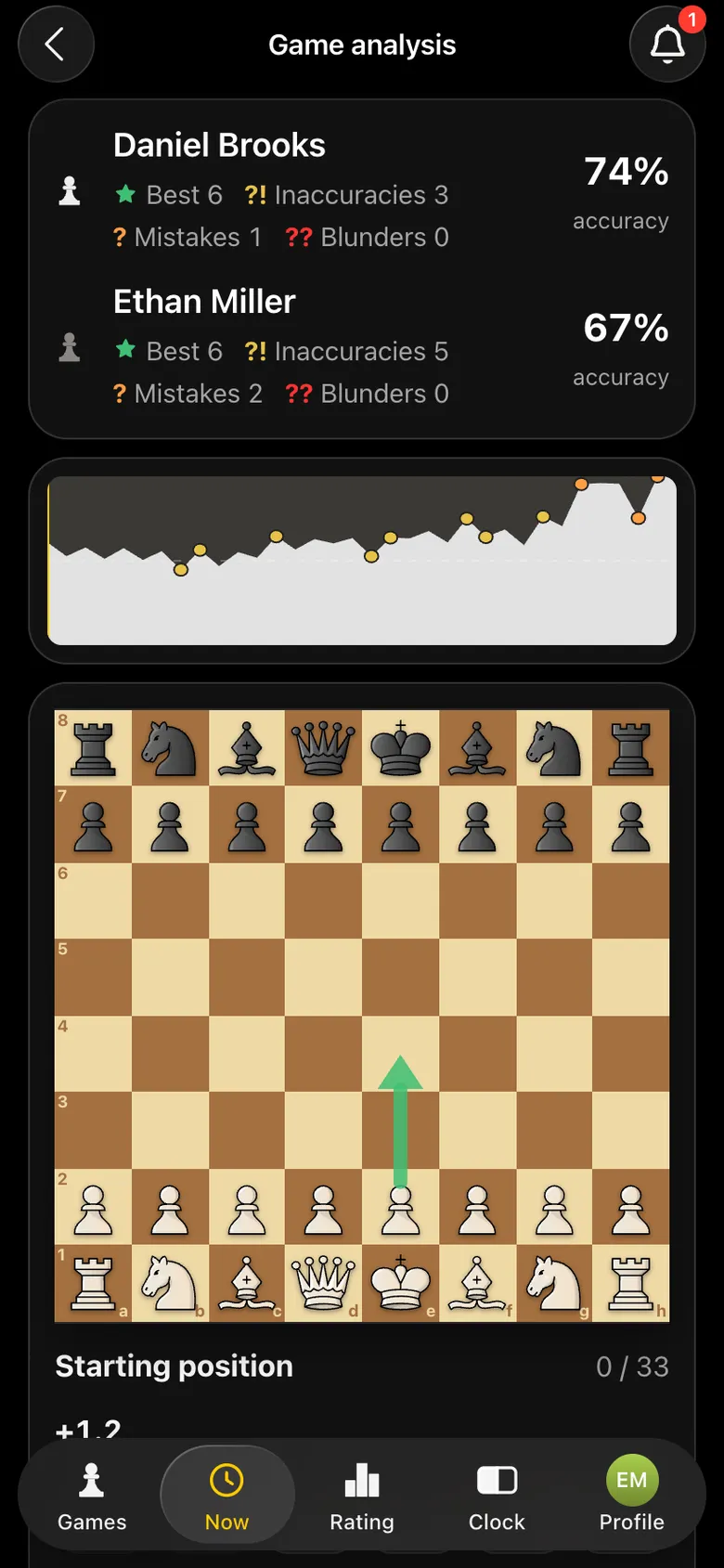
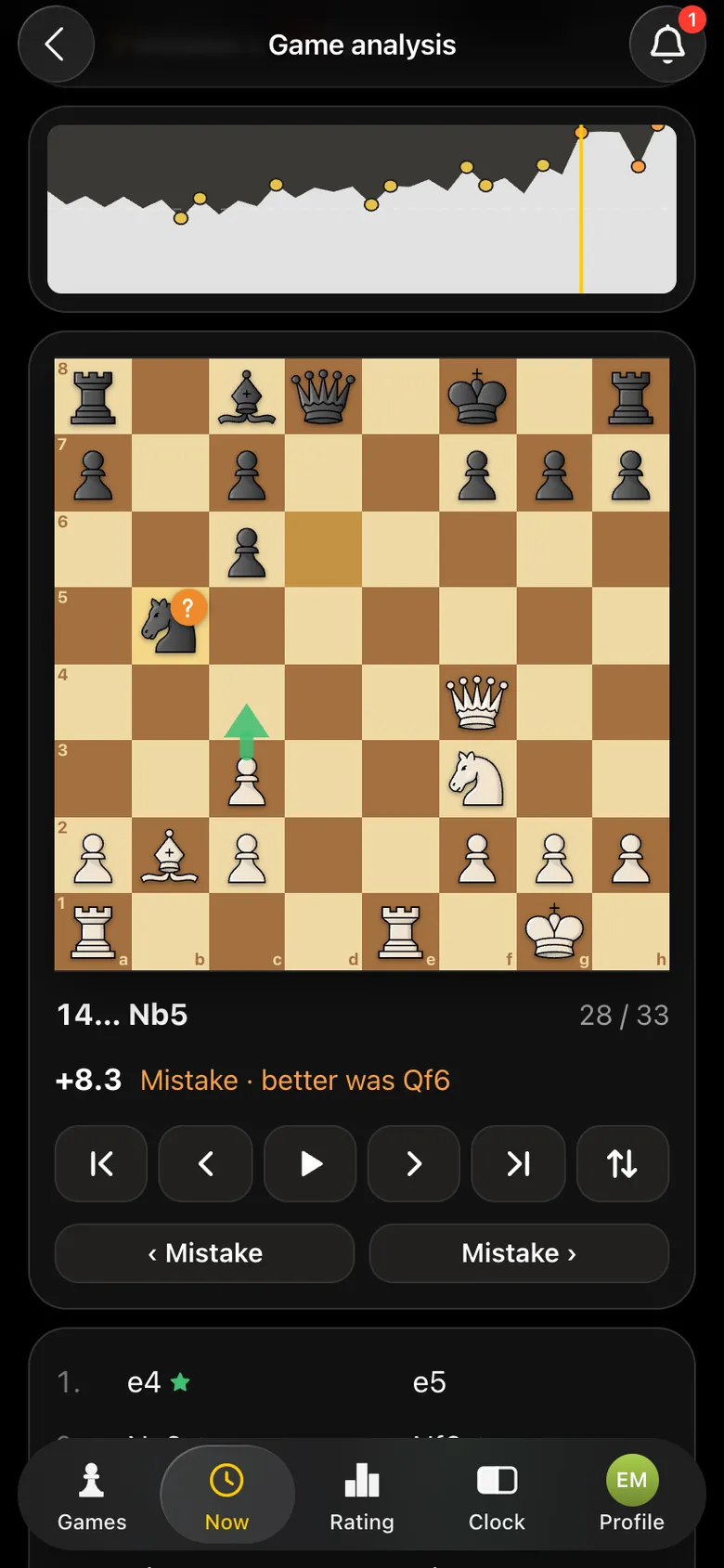
The arbiter always decides, and at an amateur tournament - the organiser. The record helps the decision; it is not the judge: it does not override the rules and does not replace a player's claim. For example, threefold repetition counts only if a player claimed it correctly to the arbiter, and the record confirms the position, not the claim itself.
The rules for the most common disputes - the rules of chess, late arrival and forfeit, fair play over the board.
How to run a tournament in the app - the organiser's guide, how a result reaches the table at all - how a game result is recorded.
What to put into the regulations, including the appeal procedure - chess tournament regulations.
Yes, for disputes about the position: which moves were made, whether there was an illegal move, whether a position repeated. The arbiter or the organiser still makes the decision.
No. Touching a piece is not a move, and a move record does not show it. The arbiter and witnesses decide here.
If you played on the clock in the Vibe Chess app, the clock itself ended the game and the result was recorded at once. Whether there was enough material on the board to mate, the arbiter checks by the position.
No. The official record is the scoresheet. A camera record is supplementary material, and only if the chief arbiter has allowed phones at the boards.
It is kept in the app. If it is needed to settle a dispute, the organiser can ask the developers for it.
There are no club or arbiter roles in the app: the create button is available to everyone. You can announce a tournament today and run it this weekend.
when there are more than ten players and nobody should be knocked out
when the field is small and fairness matters most
when you simply want to get together and play
The bot is constantly improved based on real tournaments. If you need a feature that isn't there yet, message the developers right inside the bot with the /support command. Many features appeared exactly because organizers asked for them, and useful ideas get added quickly.
More about arbiting: how a result is recorded, phones in the tournament hall, how to record your own game and a host and an arbiter for a tournament.

At the board since childhood: hazy about his rating, precise about every rook he has blundered. Counts an evening as a good one if the opponent stayed to talk afterwards instead of rushing off to check with an engine. Message →