Article 6.9 of the FIDE Laws says: a player who does not complete the prescribed number of moves in the allotted time loses the game. However, the game is drawn if the opponent cannot checkmate the player's king by any possible series of legal moves.
The key words are "by any possible series of legal moves". It is not about whether the opponent would manage to win, nor about who stands better. There is one question: does at least one sequence of moves exist, however absurd, that ends in checkmate? If yes, the flag means a loss, even if the opponent would never win that position.
In all four positions White ran out of time. We look only at Black's pieces and whether a mate can happen.
The third and fourth positions surprise people most. A knight alone cannot mate a bare king. But if White has a pawn or a piece, it can block its own king's escape square - and then mate with a knight is possible. So Black has mating material, and White loses on time.
A table for the player whose flag fell. The first column is the material of the opponent who still has time.
| The opponent has | The player out of time has | Result |
|---|---|---|
| King only | anything | draw |
| King and bishop | king only | draw |
| King and knight | king only | draw |
| King and bishop | king and bishop on the same colour squares | draw |
| King and two knights | king only | loss - mate with the opponent's help is possible |
| King and knight or bishop | at least a pawn or a piece (other than the case above) | loss |
| King and pawn | anything | loss - the pawn can become a queen |
| Rook, queen or more | anything | loss |
King and two knights against a bare king is a rare but telling case. Mate cannot be forced, but it can arise with the opponent's mistake. So mate is possible, and the flag is a loss.
Under Article 6.8 a flag is considered fallen when the arbiter observes it or when a player has made a valid claim. Until one or the other, the game formally continues.
| Time control | Who can record the flag | If the arbiter does not see |
|---|---|---|
| Classical | the arbiter, as soon as they see it (6.8) | the arbiter |
| Rapid | the arbiter if they see it (A.5.5), or the opponent: stop the clock and call the arbiter (A.5.3) | the opponent, if the arbiter did not notice |
| Blitz | the same as in rapid | the opponent, if the arbiter did not notice |
| A game without an arbiter | the opponent | the opponent |
How to claim correctly in rapid and blitz: stop the clock and call the arbiter (Article A.5.3). Do not keep playing "until the opponent notices", and do not sweep the pieces - the claim is made with the clock stopped.
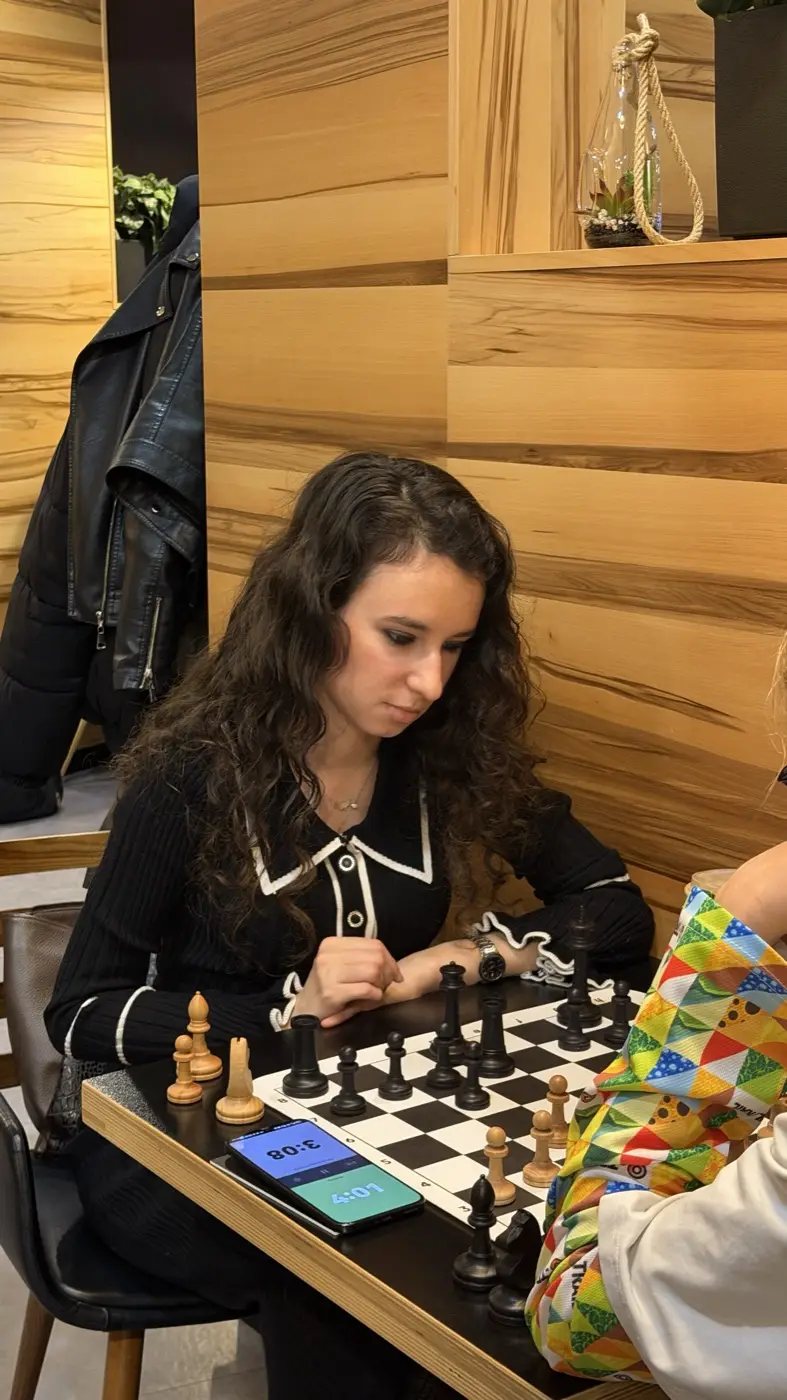
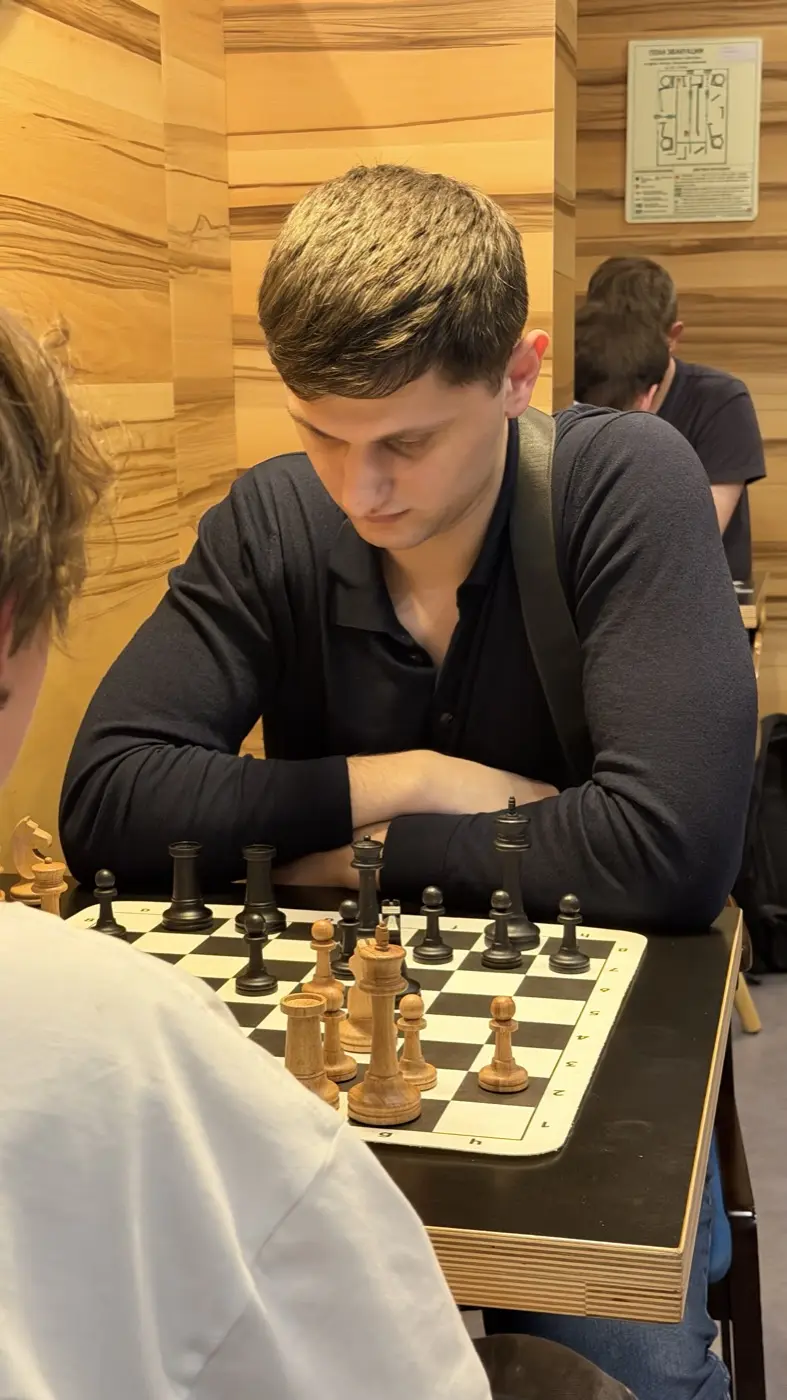
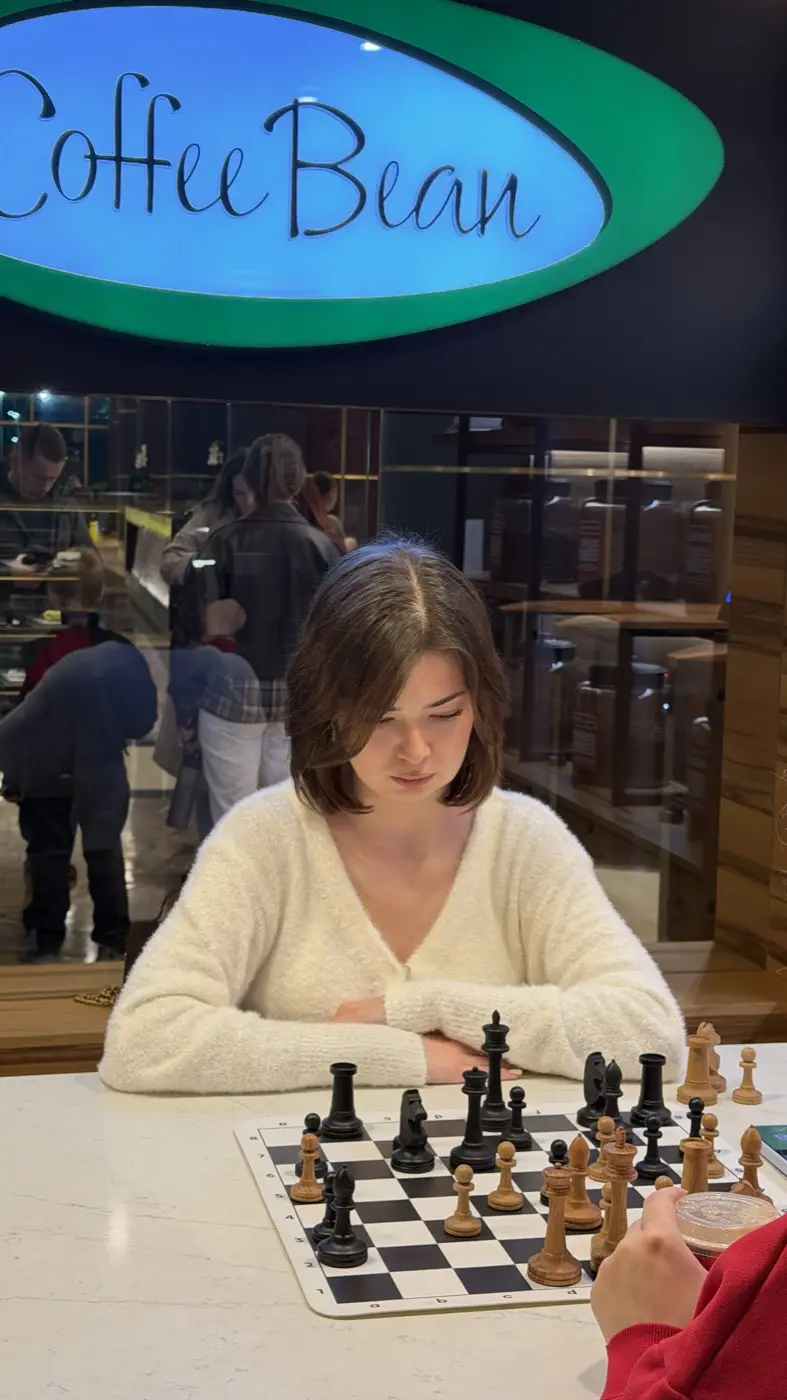
At Vibe Chess tournaments people play on a chess clock on a phone. Here is how it behaves when a player runs out of time.
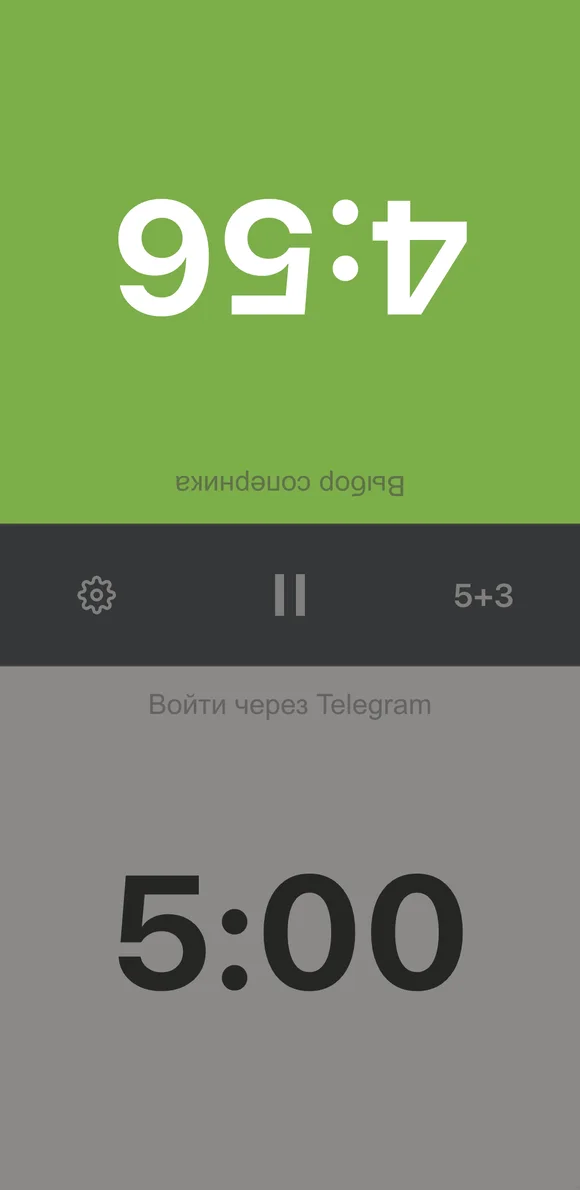
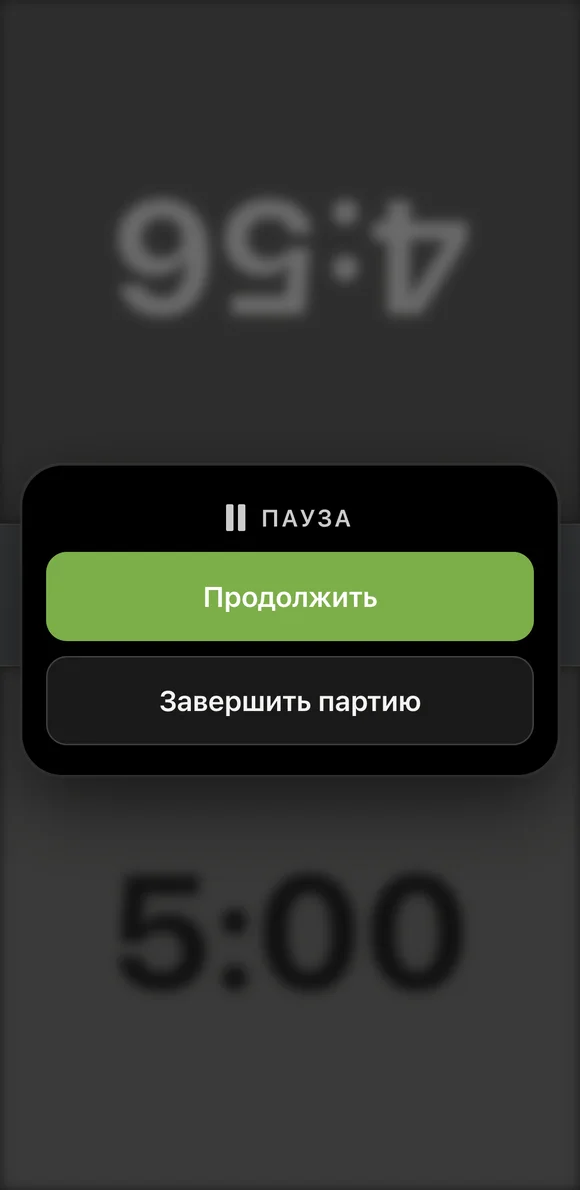
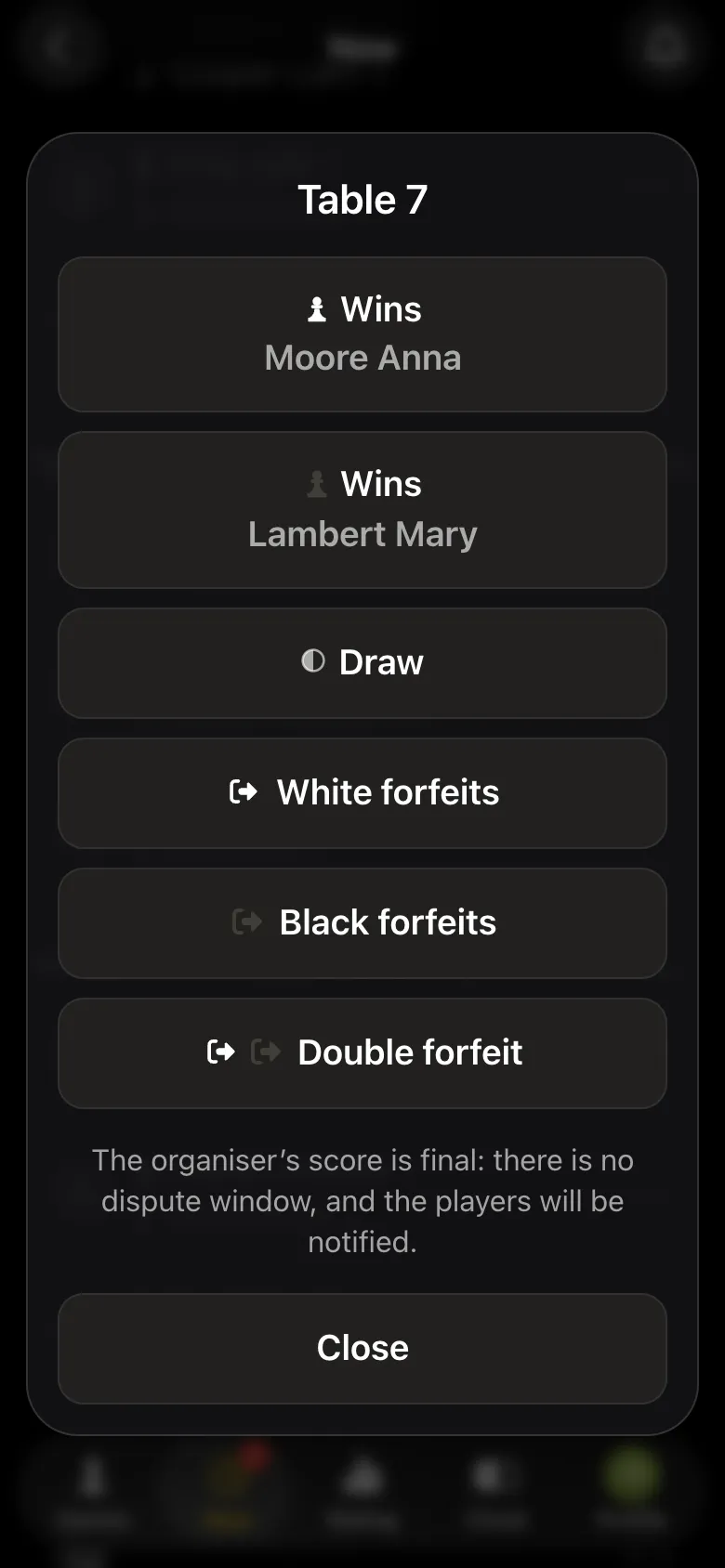
More about the clock - a chess clock on your phone, about the arbiter's work in the app - arbiting a chess tournament.
Most flags at amateur tournaments fall not in time trouble but because of habits:
The rest of the fast-chess rules are in blitz chess rules and rapid chess rules.
It means a player has run out of time on the clock. The expression comes from mechanical clocks, where a little red flag dropped when the time ran out. A fallen flag is usually a loss.
Nobody: it is a draw. A lone king cannot give mate, so under Article 6.9 of the FIDE Laws the game is drawn, however many pieces the player who ran out of time has.
It depends on what you have left. If you have only a king - a draw: a knight cannot mate a bare king. If you have at least one pawn or piece, mate with the knight becomes possible, and you lose on time.
The arbiter if they see it, or the opponent: stop the clock and call the arbiter. If nobody claimed and the game ended in checkmate, the mate stands.
Checkmate ends the game immediately, so a flag after the mate does not count. The player who gave mate wins.
No. The increment seconds are added after the move and the press of the clock. If time ran out before the press, the flag has fallen.
No. The clock records whose time ran out, and that result is accepted at once. If the opponent lacks mating material, the organiser enters a draw in the arbiter's panel.
The Vibe Chess app opens from a link and needs no installation. Setting up a tournament takes a minute: pick the system, set the date, the venue and the time control - the app handles the rest.
for a large field: opponents are matched by score, you choose the number of rounds
for a small circle: everyone plays everyone, the round count follows from the field
no rounds, no pairings: players sign up and pick opponents at the table
The bot is constantly improved based on real tournaments. If you need a feature that isn't there yet, message the developers right inside the bot with the /support command. Many features appeared exactly because organizers asked for them, and useful ideas get added quickly.
More about arbiting: an illegal move in chess, a double forfeit, phones in the tournament hall, draws in chess and late arrival and forfeit.

At the board since childhood: hazy about his rating, precise about every rook he has blundered. Counts an evening as a good one if the opponent stayed to talk afterwards instead of rushing off to check with an engine. Message →