At early tournaments more games are lost on time than through bad moves. A guide to splitting your time over a game:
| Stage | How much time | How |
|---|---|---|
| Opening (first 10-12 moves) | about 10% of the time | play familiar moves, do not invent |
| Middlegame | about 60% of the time | this is where the game is decided - think on the critical moves |
| Endgame and the rest | about 30% of the time | a reserve for precise calculation at the end |
What happens if your time does run out - a fallen flag in chess.
| Situation | What to do |
|---|---|
| Hands shaking before the first game | arrive early, sit at the table, set up the pieces, take a few slow breaths |
| "Everyone here is stronger" | remember that the pairing matches opponents by points - in a couple of rounds they will be at your level |
| Thinking about a move for too long | set a limit: if you have not found anything better in 2-3 minutes, play a safe move |
| 30 seconds left | simple moves, no sacrifices; trades simplify the position |
| Lost a game | do not analyse it before the next round; water, a couple of minutes of fresh air |
| Won and relaxed | the next game starts from zero: the opponent is different |
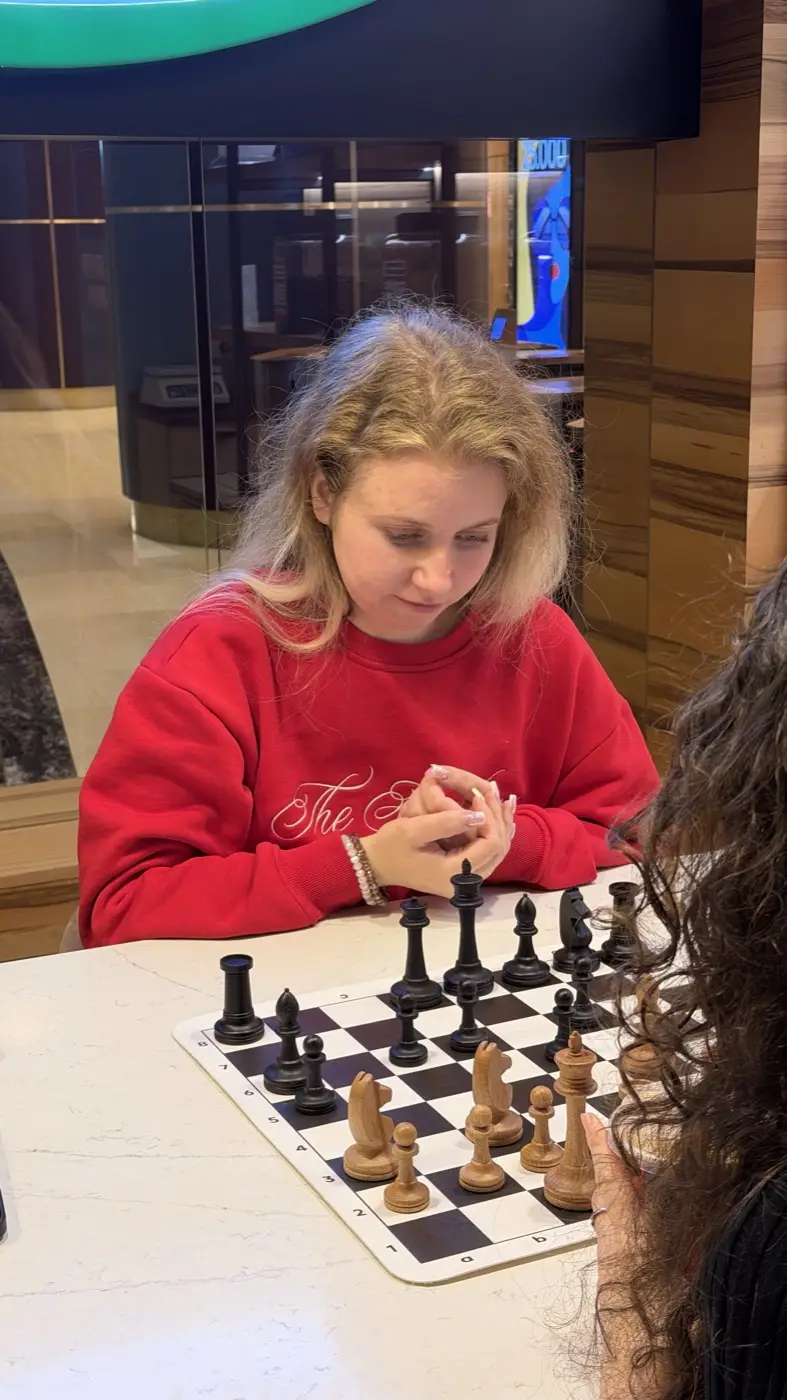
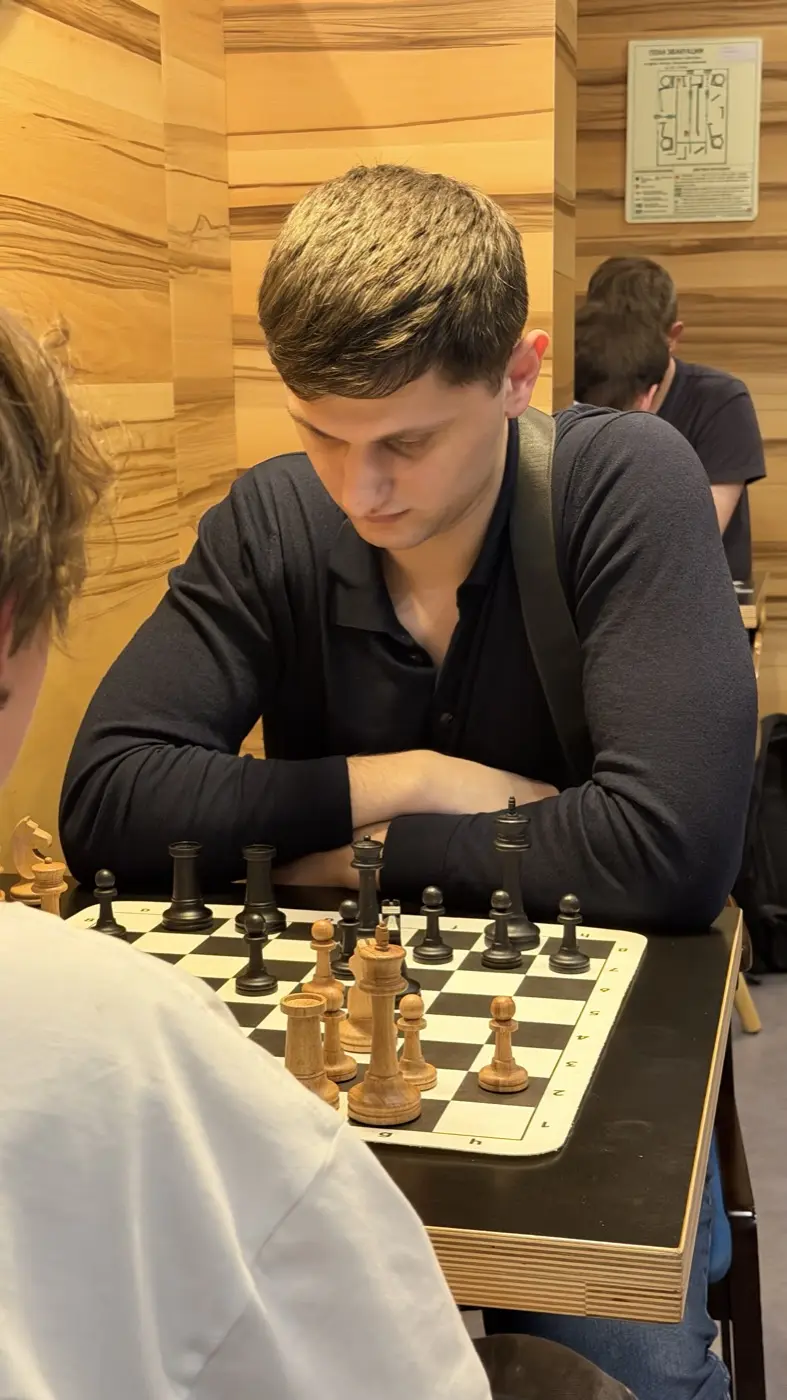
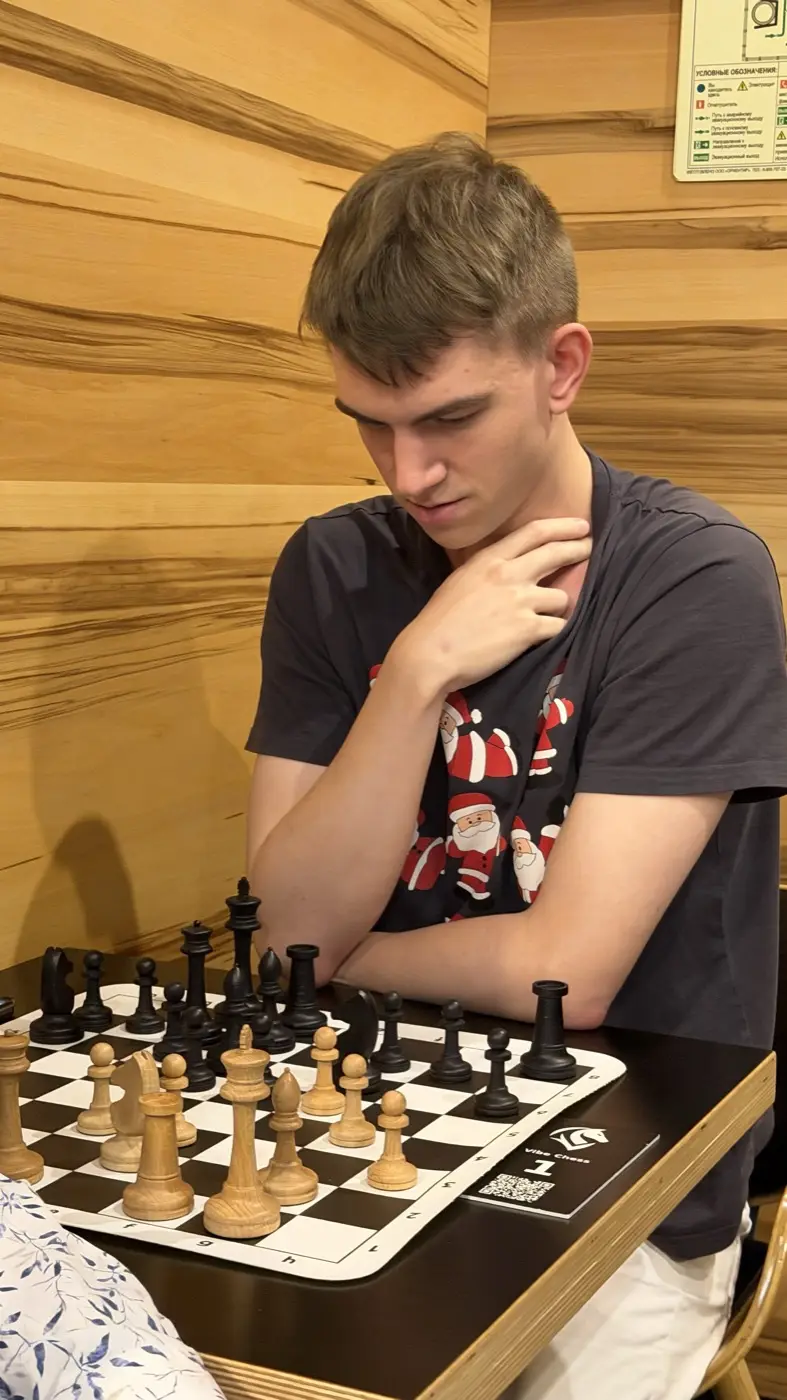
The best cure for nerves is habit. Two things you can practise every day:
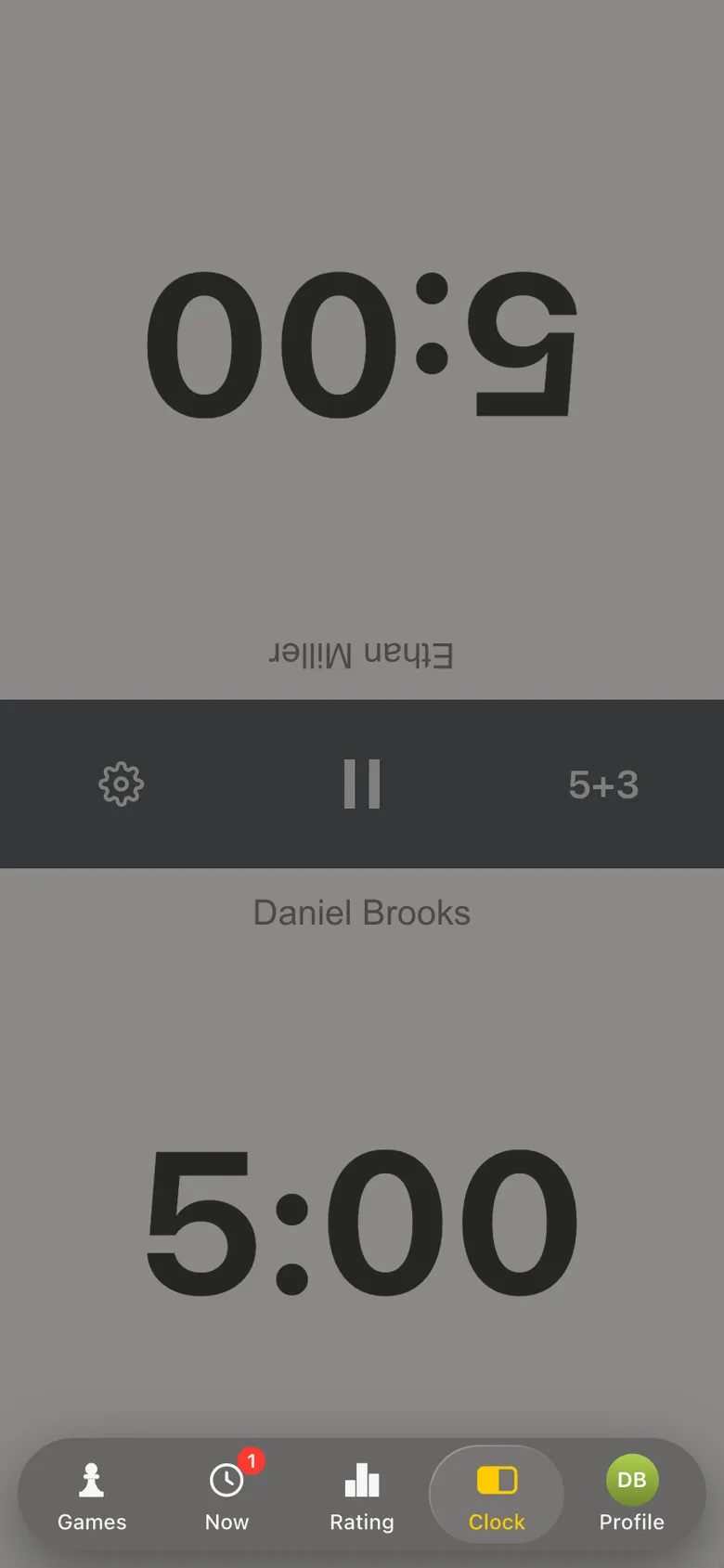
How to prepare for your first tournament as a whole - how to prepare for your first chess tournament.
Because of the setting: the clock, the cost of a mistake, an unfamiliar opponent and fatigue. You get used to it - the nerves fade with every tournament.
Play a familiar opening quickly, do not spend more than 2-3 minutes on one move in rapid, press the clock right after your move and choose a control with an increment.
Simple moves and trades, no sacrifices or complicated lines. The goal is to finish the game, not to find the best move.
Do not analyse the lost game before the next round, take a break, drink some water. Analysis - after the tournament, calmly.
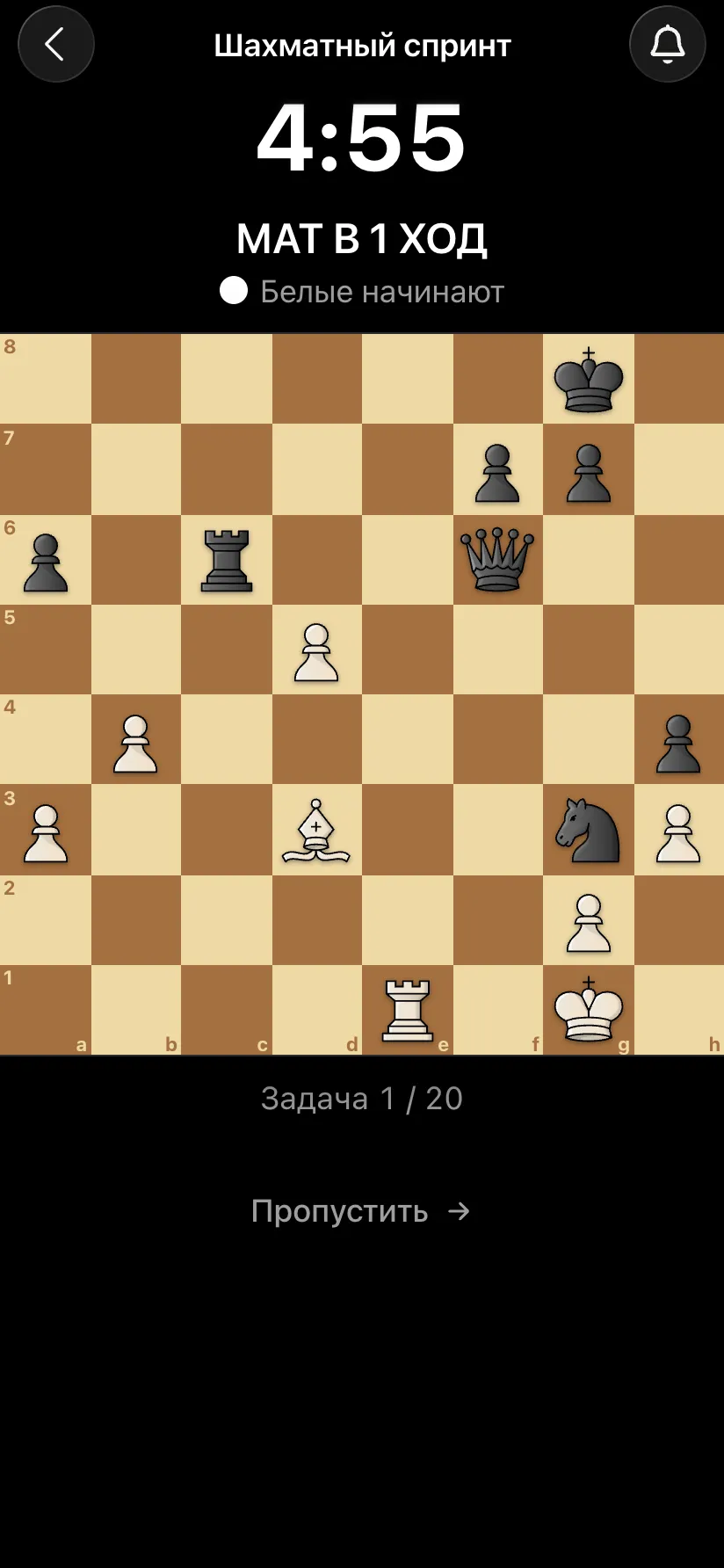
Play at the same control on a clock and solve timed puzzles - for example, in the Sprint trainer in the Vibe Chess app.
There are no club or arbiter roles in the app: the create button is available to everyone. You can announce a tournament today and run it this weekend.
when there are more than ten players and nobody should be knocked out
when the field is small and fairness matters most
when you simply want to get together and play
The bot is constantly improved based on real tournaments. If you need a feature that isn't there yet, message the developers right inside the bot with the /support command. Many features appeared exactly because organizers asked for them, and useful ideas get added quickly.
For players: how to prepare for your first tournament, what to bring to a chess tournament, how to get your first FIDE rating and chess time controls.

At the board since childhood: hazy about his rating, precise about every rook he has blundered. Counts an evening as a good one if the opponent stayed to talk afterwards instead of rushing off to check with an engine. Message →