Fischer the INTJ architect, Kasparov the ENTJ commander, Tal the intuitive improviser - character shows in the way a person plays chess. We have gathered the personality types of 30 famous players and looked at how the traits of each type show up at the board.
Straight away, in fairness: the types are taken from a public vote on the Personality Database - the players never took an MBTI test, and fans inferred the type from playing style and behaviour. So this is an entertaining lens rather than a diagnosis: opinions differ on many figures, and we say so.
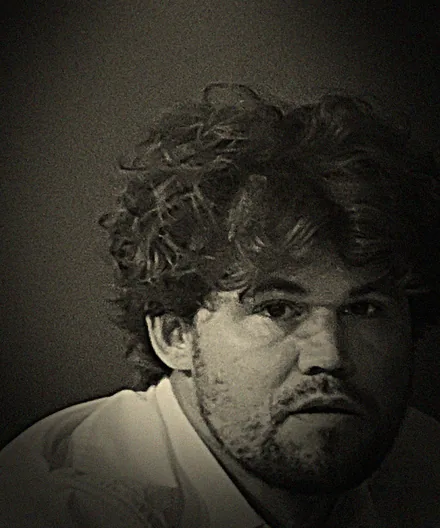
An all-rounder with no “signature” opening: he squeezes the tiniest edge in the endgame, improvises at the board and plays to grind opponents down. Flexibility and cold logic with no dogma.
On PDB the votes are split: INTP / INTJ / ISTP.
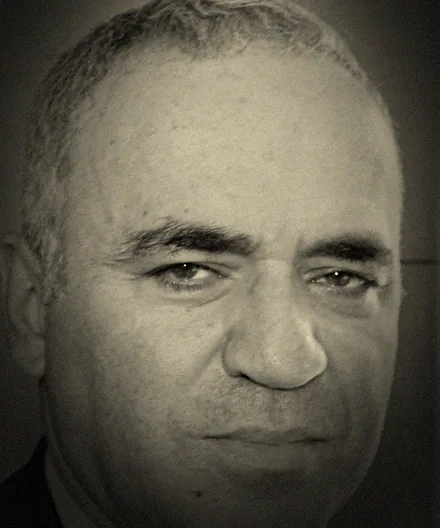
A dominating, pressing style and colossal opening preparation. World number one for 20 years, and a born organiser and “field marshal” - he founded the professional chess association.
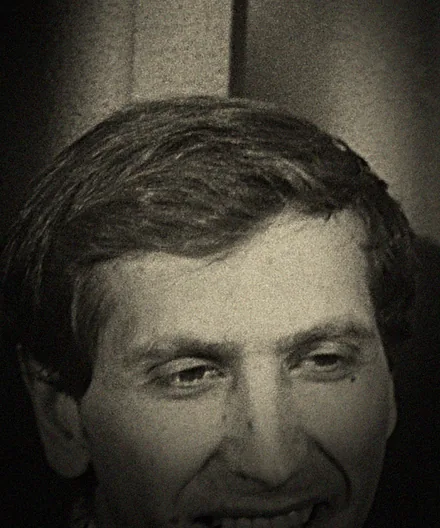
Obsessive self-preparation in isolation and perfectionism. Single-handed he challenged the entire Soviet school and won the “Match of the Century” in 1972; he was known for hard-line ultimatums about conditions.
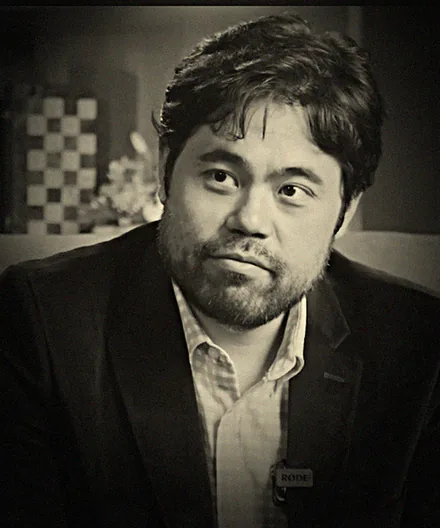
A brilliant tactician and the king of blitz, fond of sharp complications and provocation. An extravert streamer and showman who generates ideas on air in an instant.
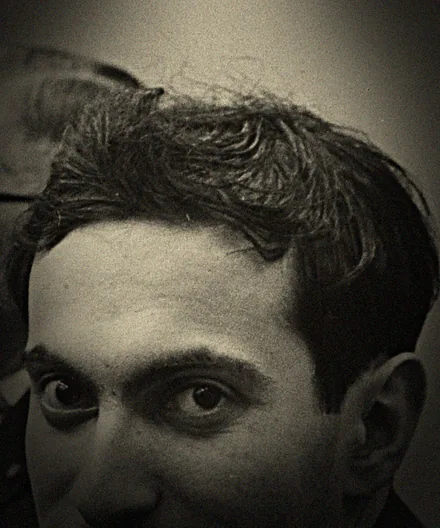
The “magician from Riga”: intuitive sacrifices, irrational complications, charm and showmanship both at the board and in life.
Disputed: ENFP against ENTP.
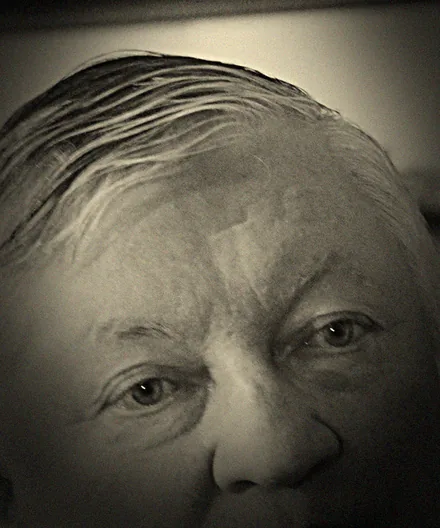
The positional “boa constrictor”: flawless technique, squeezing out tiny edges, prophylaxis and order. The benchmark for consistency - world champion for ten years.
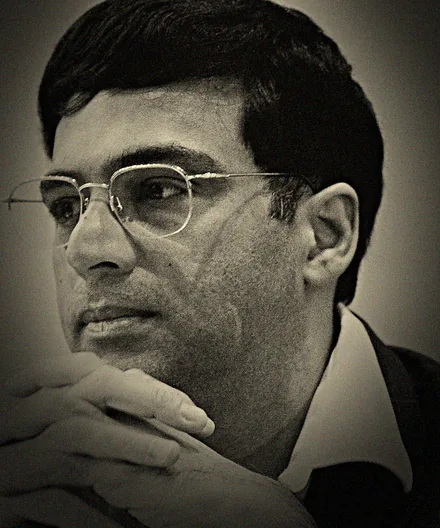
The “lightning kid from Madras”: an all-rounder who calculates phenomenally fast, calm and systematic. He adapted across several eras - champion at classical, rapid and blitz.
Mirrors sometimes give INTP.
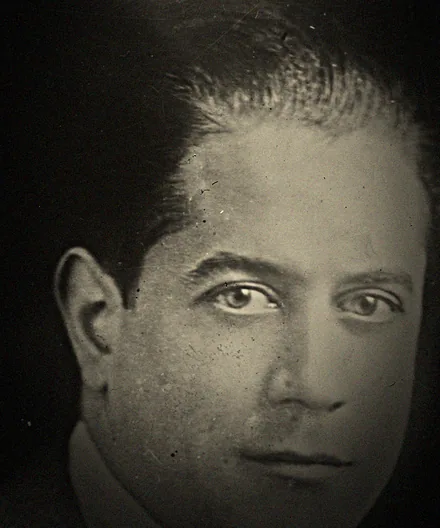
The “chess machine”: intuitive ease and crystalline technique. He barely studied theory - he played from understanding and hardly ever lost.
Disputed: ISTP against ENTP.
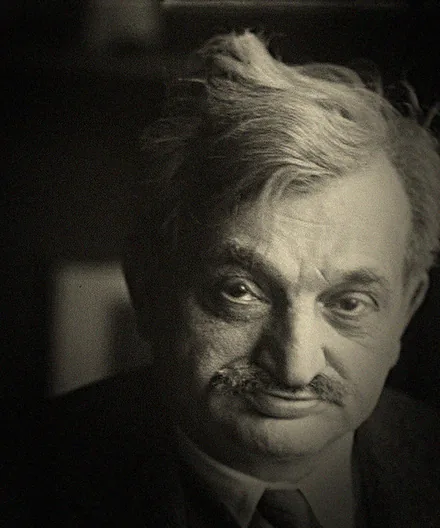
A “psychological” style: he played not the ideal move but the one most awkward for that particular opponent. A wide-ranging intellectual - a mathematician and philosopher, and champion for a record 27 years.
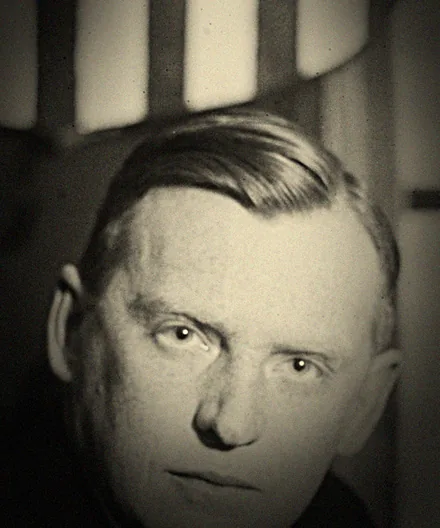
A combinative “architect of attack”: the deepest calculation and prepared multi-move ideas. He was the first to prepare deliberately for one specific opponent - for the match with Capablanca.
Now that we have compared the champions, test yourself. Two short quizzes: one picks an opening for your personality type, the other works out your chess character.
From the modern elite to the classics, in brief.
Lightning-fast intuitive play, a taste for the initiative and unorthodox openings, emotional and impulsive.
The deepest opening preparation and precise calculation; a reserved analyst who produced the legendary 7 out of 7 start in Saint Louis.
Quiet, reflective and very persistent; on the way to the 2023 title he showed rare psychological resilience.
Solid low-risk play, deep preparation and a minimum of blunders; Fischer Random world champion in 2019.
Creative and original, fond of unorthodox ideas and beautiful combinations; charming away from the board.
A fighting counterattacker who adored defence and provocation; phenomenal competitive fury and longevity at the board.
“Iron Tigran”: brilliant prophylaxis, positional exchange sacrifices and an almost impenetrable defence.
A universal, “light” harmonious style with no fanaticism about preparation; a charming gentleman at the board.
A theorist-strategist: he “strangled” Kasparov with the Berlin Defence in 2000, a master of deep opening engineering.
The father of playing for development: lightning-fast lead in development and open lines - he grasped the principles intuitively a century before the theory.
The strongest woman player in history, with an aggressive attacking style; she beat both Kasparov and Carlsen.
The “minister of defence”: fantastic tenacity and composure; he drew half a match with Carlsen in 2016.
World champion in 2008 and an active populariser of chess - plenty of media and educational work.
The youngest women's world champion in history, and single-minded with it; she outgrew the women's events early and left for science.
A sharp, blunt, sarcastic lecturer and practitioner; he built a chess club and school in Atlanta.
A strong theorist and outstanding teacher, a deep endgame analyst; a calm, systematic explainer.
Extremely solid and reliable, with thorough opening preparation; world blitz champion in 2008.
A sharp tactician and opening geek, a fan of the Najdorf and the Grünfeld; he calculates forcing complications on the fly.
Positional and calm, with deep preparation; an unflappable, methodical professional.
The most eccentric creative mind in the elite: wild openings and elaborate ideas - he plays art for art's sake.
How to read this list: the types were inferred by the community from playing style and public image, not from an actual test. For some players the votes are spread across neighbouring types - there we give the most frequent option and note the disagreement. This is entertainment, not psychological diagnosis. The portraits of the top ten are artistically stylised images based on real photographs, not the original shots.
There are no club or arbiter roles in the app: the create button is available to everyone. You can announce a tournament today and run it this weekend.
They come from a public vote by users of the Personality Database site (the Chess section) and mirrors of the same data set. The players themselves never took an MBTI test - the types were inferred by fans from their playing style and public behaviour. So opinions differ on many figures, and they are worth taking as entertainment rather than as diagnosis.
Community votes are often spread across neighbouring types (for Carlsen, for instance, people argue between INTP, INTJ and ISTP). We give the most frequent option and mark where there is disagreement.
MBTI is a popular but not strictly scientific model: psychologists criticise it for poor reproducibility. It is a convenient language for talking about temperament and an entertaining format, no more.
There is no direct “type to opening” link, but temperament does affect which style is more comfortable for you: some people prefer attack and sacrifices, others firm positional play. That is what our quizzes below test.
Not necessarily. The typology here is subjective and assembled by voting. If your view differs from the majority, that is normal - there is no single right answer.